When the Curtain Rises in a Hospital Hallway
What happens when a theatre performance finds its stage not in a grand playhouse but in the common room of a rehabilitation centre? Elena Vasquez reflects on what live performance means to those who cannot come to it.

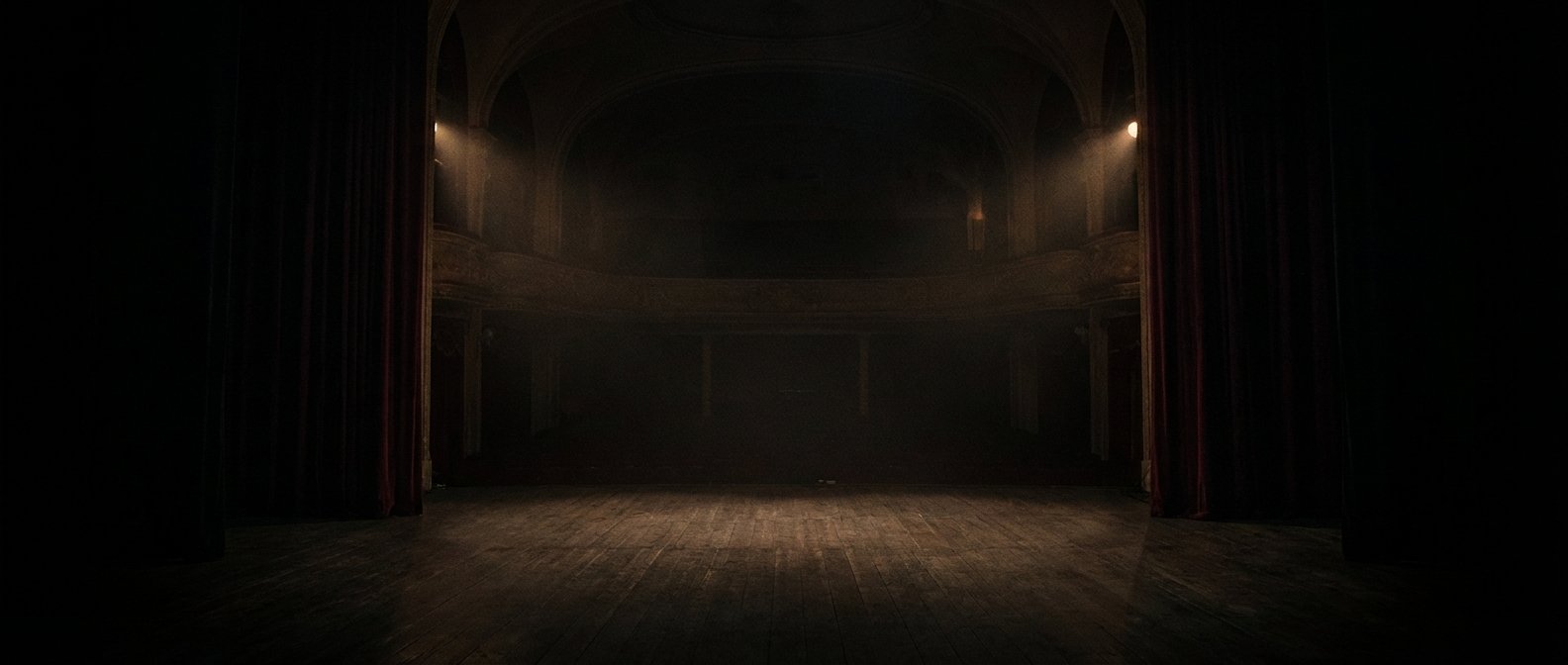
There is a moment every performer knows. The house lights dim. The audience settles. The world outside ceases to exist. For most people, that moment happens in a theatre — a dedicated space built specifically to hold the magic of live performance.
But for many people, the theatre simply is not accessible. Whether due to age, illness, mobility, financial barriers, or geography, millions of people in greater Los Angeles — and around the world — will never sit in a velvet seat and watch a curtain rise. Not because they do not want to. Not because they would not love it. But because the world has not found a way to bring the stage to them.
That is what Threefold Artists exists to change.
I performed my first Threefold set at St. Vincent's Hospital in March. The room was a common area on the third floor — fluorescent lights, linoleum floors, a cluster of chairs arranged loosely around a small open space. Not exactly the Ahmanson Theatre. But as I began my first monologue — a piece from García Lorca's Blood Wedding, translated into Spanish — something happened that I have experienced on every stage I have ever stood on. The room changed.
A woman in a wheelchair moved closer. An elderly man who had been staring at the window turned to watch. A nurse stopped in the doorway, then quietly sat down on a spare chair. By the time I finished the final scene, there was silence — not the awkward silence of indifference, but the particular silence of an audience that has been somewhere else entirely and is not quite ready to come back.
That is theatre. That is what it does, wherever it happens.
We sometimes talk about bringing the arts to underserved communities as if we are doing them a favour — delivering something they lack. But I have come to understand it differently. When I perform at a care home or a shelter or a school, I am not giving something to the audience. We are doing something together. We are creating a moment that would not exist without both of us.
Art is not a product. It is a relationship. And relationships can happen anywhere — even in a hospital hallway.