The Healing Power of Music: What Science Says and What We Know
Music has been shown to reduce anxiety, ease pain, and lift mood in clinical settings. But what does it feel like to be on the other side of that equation — to be the musician in the room?
Before I started performing with Threefold Artists, I knew the research. I had read the studies on music therapy in dementia care, on how familiar melodies can unlock memories that other pathways cannot reach. I had read about reductions in cortisol levels, improvements in post-operative recovery, the way music can reach patients in vegetative states who respond to nothing else.
I knew the data. What I did not know was what it would feel like to play Chopin in a room full of strangers who, within three minutes, would no longer be strangers at all.
The Room Before
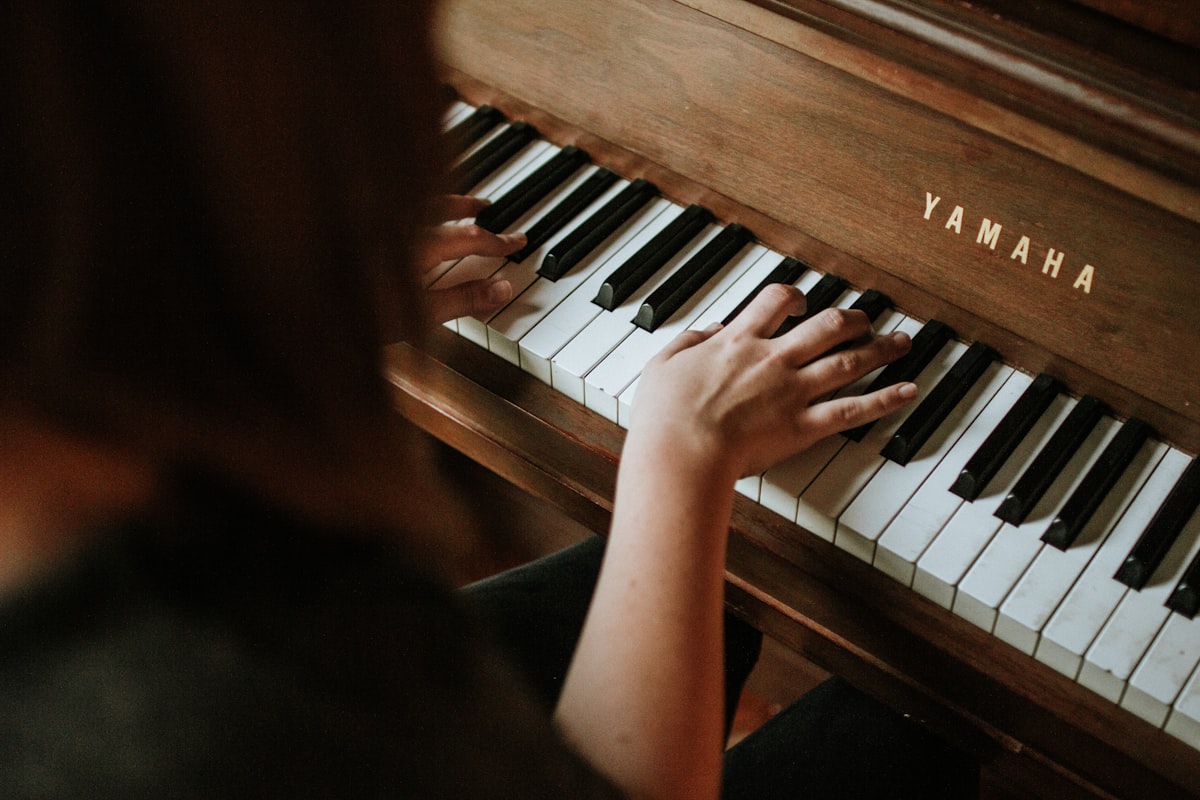
My first performance for Threefold was at Cedars-Sinai — a lunchtime recital in a ground-floor atrium near the main entrance. I arrived early and sat at the piano while people walked past, barely glancing at me. The room smelled like a hospital. The acoustics were difficult. A maintenance worker ran a floor polisher nearby for the first ten minutes.
I played the Chopin Nocturne in E-flat major, Op. 9, No. 2. Within two minutes, the floor polisher had stopped. The maintenance worker was leaning against the wall, listening. A woman who had been walking briskly toward the exit slowed, stopped, and stood still for the remainder of the piece, her eyes closed.
What Music Does
We have known for centuries that music affects the body and mind in ways that other art forms do not. It activates more areas of the brain simultaneously than almost any other human activity. It synchronises heart rate and breathing. It triggers the release of dopamine — the same neurochemical that responds to food, sex, and other primary rewards.
But none of that explains the maintenance worker leaning against the wall. None of that explains the woman with closed eyes. Science can tell us the mechanism; it cannot tell us the meaning.
What We Know
After fifteen performances with Threefold, what I know is simpler than any study. Music connects people to themselves. It connects them to each other. It connects them to moments and memories and emotions that have nowhere else to go.
In a hospital, where so much is clinical and impersonal, that connection is not a luxury. It is a necessity.
When I finish a recital and see a patient tapping their foot, or a nurse humming a melody as she returns to work, I am not thinking about dopamine levels. I am thinking: this is why I became a musician.
Keep Reading