Dance as Language: Performing for Audiences Who Cannot Speak
When Amara Osei performed at a memory care facility, she encountered an audience that could not tell her what they felt. What happened next changed how she thinks about performance forever.
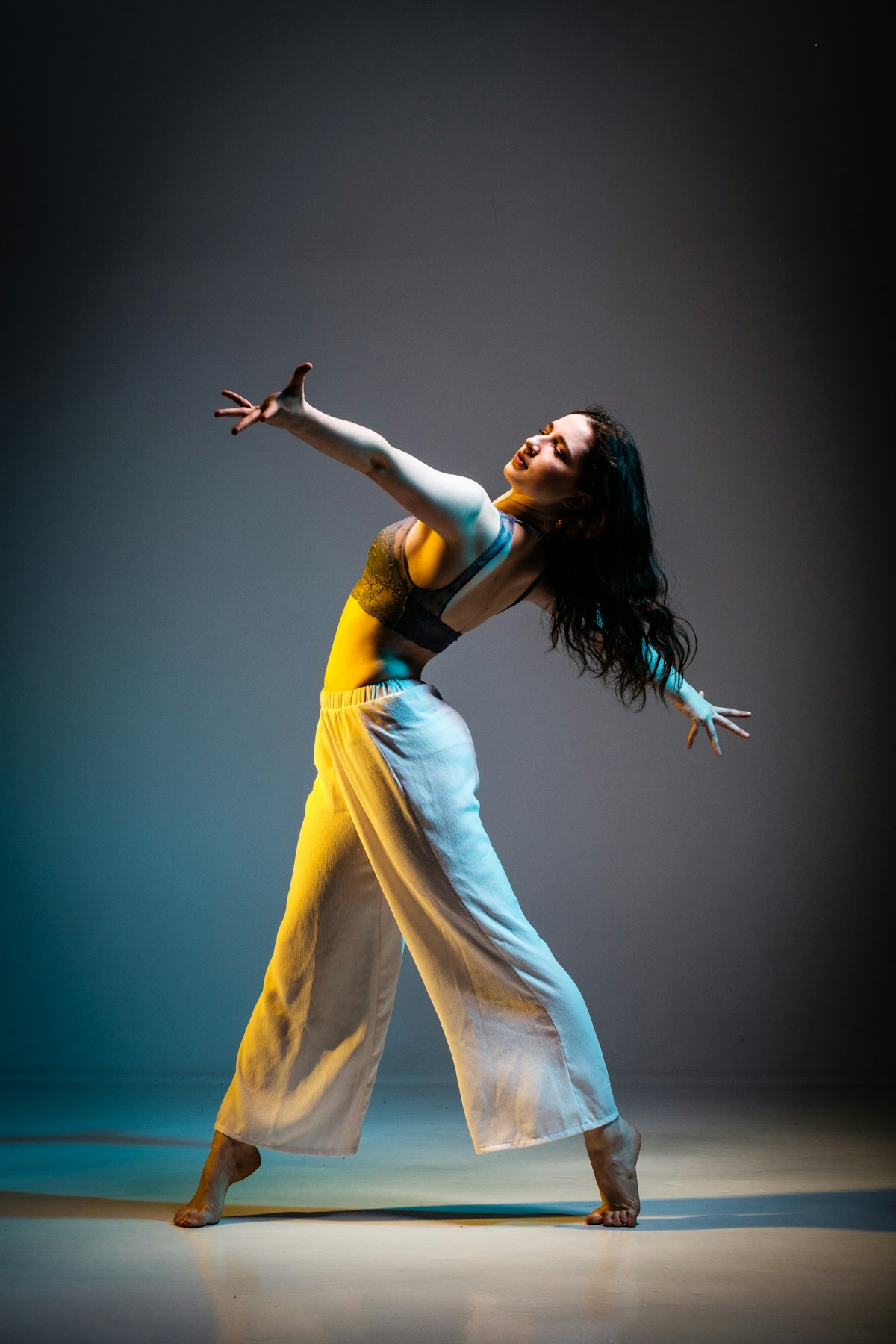
I trained at Alvin Ailey. I have performed on stages in New York, Los Angeles, and London. I have danced for critics, for choreographers, for audiences who came with programs in hand and opinions ready.
Nothing prepared me for the memory care unit at Sunrise.
The residents there are at various stages of Alzheimer's disease and other forms of dementia. Some can speak clearly. Some speak in fragments. Some have lost language almost entirely. When I was told I would be performing there, I honestly did not know what to expect. I did not know if they would understand what I was doing. I did not know if it would mean anything.
Before Words
Dance is older than language. Before humans had words for what they felt, they had movement. Grief makes you double over. Joy makes you leap. Fear makes you freeze. The body knows things the mind has not yet articulated, and dance — at its core — is the act of making those things visible.
This is why, I have come to believe, dance reaches people that language sometimes cannot.
When I began my set — a piece I had choreographed to West African percussion — a woman in the front row who had not spoken a word since I arrived began to move her hands. Not randomly. In rhythm. Her eyes were on my feet. Her hands moved with the beat. Her face, which had been neutral and distant, was alive.
The Language Between
We talk about accessibility in the arts as if it is primarily a physical problem — ramps, large-print programs, captioning. But the deepest form of accessibility is not physical at all. It is the question of whether a work of art can reach someone whose relationship with the world has fundamentally changed.
Dance answered that question for me that afternoon. The woman with the moving hands did not need words. She did not need to know who I was or what I was doing or why. The rhythm was there. Her body knew what to do with it.
I danced for another forty minutes. When I finished, she looked at me and said two words very clearly.
"Again, please."